
Match the result to the question
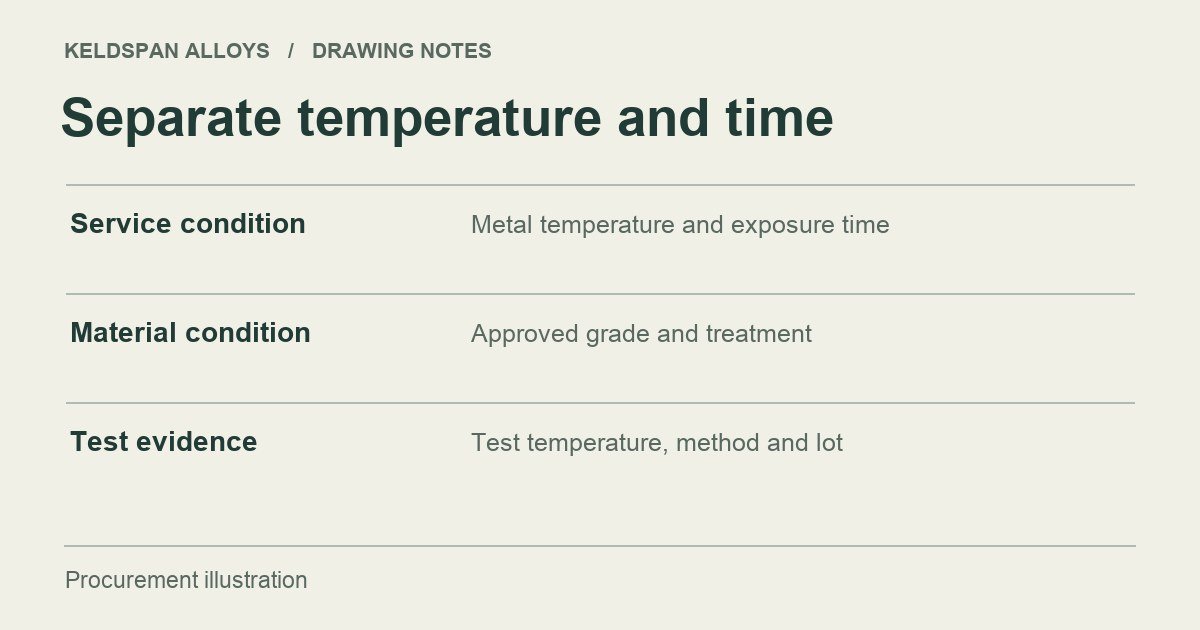
A room-temperature tensile result describes the specimen under its reported test conditions. It does not become an elevated-temperature result because the ordered fastener will operate hot. ASTM E21 addresses tensile strength, yield strength, elongation, and reduction of area at elevated temperatures. If that evidence is required, name the method and edition alongside the project test temperature and acceptance basis. Do not assume an additional hot tensile test is included in every material specification or supplier quotation.
Make samples and conditions comparable
Request the specimen identification, material heat, represented processing lot, orientation, dimensions, and final heat-treatment condition. Ask the laboratory report to identify the actual test temperature and relevant test conditions rather than providing only a pass statement. When comparing two reports, check units and the stated yield-strength definition as well as the headline values. Evidence from a different product form or treatment may be useful background, but its applicability needs an explicit engineering assessment.
Do not stretch a short test into a lifetime claim
ASTM E21 cautions against treating elevated-temperature tension results as a dependable measure of strength over prolonged service. A hot tensile report therefore does not replace creep, rupture, or joint-specific evidence when those are required. Likewise, E21 does not include determination of elastic modulus within its scope. If a drawing review needs stiffness data for a thermal calculation, list that deliverable separately and identify an acceptable source rather than expecting it to appear in the tensile certificate.
Compare two clearly labeled evidence lines
An effective RFQ attachment can distinguish material acceptance results at room temperature from an optional, separately priced E21 test at the engineer-specified temperature. Require each line to identify sampling and acceptance criteria. During review, flag a proposal that supplies a manufacturer brochure curve where production-lot testing was requested. The curve may help scope the inquiry, but it is a different deliverable. Resolving that distinction early avoids buying testing that cannot answer the project's stated question or delaying delivery while the scope is renegotiated.